
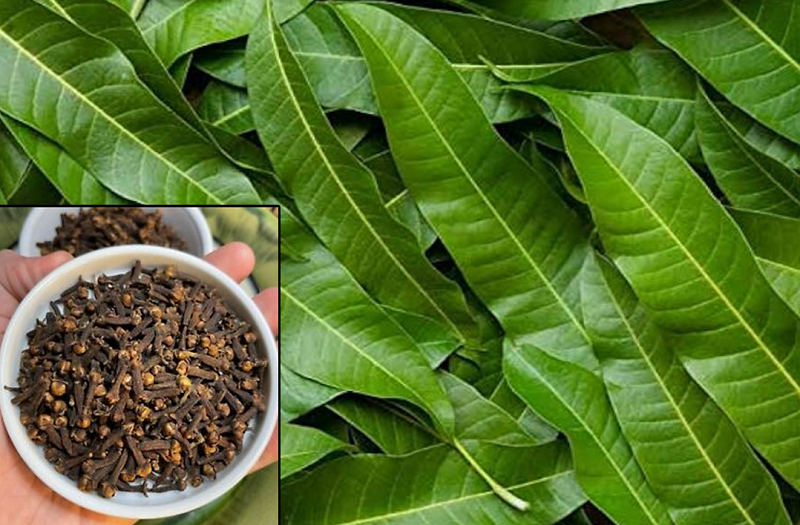
While mangoes are well known for their delicious fruit, the leaves of the mango tree (Mangifera indica) are a hidden gem in traditional and natural medicine. When combined with cloves, another powerhouse herb, the result is a healing tea that supports blood sugar balance, respiratory health, and digestion.
This tea is gaining attention for its anti-inflammatory, antioxidant, and antimicrobial properties—making it an easy, natural remedy to add to your wellness routine.
Benefits of Mango Leaf and Clove Tea
1.Regulates Blood Sugar Levels
Mango leaves contain mangiferin, a bioactive compound that helps reduce blood sugar spikes and improves insulin sensitivity.
Cloves support pancreatic function and help regulate glucose metabolism.
Ideal for people with prediabetes or type 2 diabetes (consult your doctor before use).
2.Supports Respiratory Health
The anti-inflammatory and antimicrobial properties of both ingredients help clear nasal congestion, ease asthma, and reduce cough.
Acts as a natural decongestant and soothes irritated airways.
3.Fights Inflammation and Pain
Both mango leaves and cloves are rich in antioxidants that help combat inflammation.
Can ease joint pain, swelling, and chronic fatigue caused by internal inflammation.
4.Improves Digestion and Gut Health
Cloves stimulate digestive enzymes and reduce bloating, gas, and indigestion.
Mango leaves protect the stomach lining and soothe acidity or reflux.
5.Promotes Relaxation and Sleep
The natural oils in cloves and mango leaves have a mild sedative effect.
Drinking this tea in the evening may promote better sleep and relaxation.
How to Make Mango Leaf Tea with Cloves
Ingredients:
5–6 fresh mango leaves (or 1 tablespoon dried mango leaves)
3–5 whole cloves
2–3 cups water
Optional: 1 tsp honey or lemon for taste
